Shopify questionAnswer4 min read
What Should a Shopify Development Contract Include?
A Shopify project needs the same contract basics as any website build, plus a few clauses that only matter on Shopify. Here's the checklist I'd want on both sides of the table.

Key takeaways
- Every website development contract needs scope, price, payment schedule, timeline, change process, acceptance testing and termination terms.
- Shopify projects also need clauses on store ownership, collaborator access, theme and app licenses, and handover.
- Paid Shopify themes are licensed only to the store they were bought for, so the contract should say the license is bought on your store.
- This is a practical checklist, not legal advice. Have a lawyer review contracts for larger projects.
- Who it is for
- Owners hiring a developer
- Time needed
- 5 minutes to read
- What you need
- A draft scope of work
A Shopify development contract should include a written scope with deliverables, the fixed price and payment milestones, a timeline, how changes are priced, how the work is tested and accepted, and who owns the store, code, theme license and apps when it's done. It should also say how the developer gets access, through a collaborator account, and how that access ends. Those Shopify-specific clauses are the ones most free website contract templates leave out.
I send a written scope with every fixed quote, and I've seen what goes wrong when owners hire without one. This is a practical checklist, not legal advice. Shopify's access and licensing rules were checked on 7 November 2026.
The clauses at a glance
| Clause | What it settles | Shopify-specific |
|---|---|---|
| Scope and deliverables | What's built, what isn't | Pages, sections, apps |
| Price and payments | Total and milestones | – |
| Timeline | Dates and dependencies | – |
| Access | How work is done | Collaborator account |
| Ownership and IP | Who owns what | Store, theme, custom apps |
| Testing and acceptance | When work is "done" | Test orders, devices |
| Warranty and support | Bugs after launch | Theme and app updates |
| Termination | How either side exits | Access removal, handover |
Scope, price and timeline
The scope should list every page template, custom section, integration and app, and say what's excluded, such as copywriting, product uploads or photography. Tie payments to milestones, for example a deposit, design approval and launch. The timeline should name what you must supply and by when, because most delays come from missing content, not the developer. Add a change clause: new requests get a written quote before work starts.
Access through a collaborator account
The contract should say the developer works through a collaborator account, not your owner login. In Shopify, you give them the 4-digit code from Settings > Users, then Security, approve their request and choose their permissions. Collaborators don't count toward your plan's user limit and can't become owners. Agree that access is removed at handover. Removal is done from the same Users page and is permanent.
Ownership, licenses and transfer
- The store: created in your name, or transferred to you through
Settings > General, under Transfer store, before final payment. A store using Shopify Capital or Shopify Credit can't be transferred, so check that first. - The theme: Shopify themes are licensed only to the original store. The contract should say any paid theme is bought on your store.
- Custom code and apps: state who owns the code, where it's stored, and whether a custom app is created under your store or the developer's account.
- Third-party apps: installed and billed on your store, so you can cancel them yourself.
Testing, acceptance and warranty
Define "done". A good acceptance clause lists test orders with successful and failed payments, a refund, mobile and desktop checks, and a fixed review period, such as 5 working days, after which the work counts as accepted. Then add a bug-fix period after launch for defects in the developer's own work, separate from new requests. Say who handles theme or app updates later, and at what rate.
Data and confidentiality
Your developer will see customer names, addresses and orders. Include a confidentiality clause and say how customer data is handled. In the UK and the EU, that data is covered by GDPR, so the contract should cover how a developer processes it. My GDPR guide for Shopify stores explains what applies.
By country
Contract law differs between the US, the UK, the EU and Australia, and so do default rules on who owns commissioned work. Don't rely on the default. Write ownership and transfer terms in plain words, whatever country you're in, and name the governing law if you and the developer are in different countries.
What to do next
- Check the warning signs in my answer on red flags when hiring a Shopify expert.
- Know what's fair to pay with my Shopify developer cost guide.
- Get a written scope. Request a quote and I'll send a fixed price with the scope, deliverables and handover terms written out. Store builds start from $300.
Free tools
Check your own store
Free, no sign-up. Each one runs a part of this guide for you.
Frequently asked questions
What should a website development contract include?
Scope and deliverables, price and payment milestones, timeline, a change process, testing and acceptance, warranty, ownership of code and accounts, confidentiality and termination. Shopify projects add access, theme license and store transfer terms.
Who owns a Shopify store built by a developer?
Whoever the contract and the store account say. Make sure the store is created in your name or transferred to you, and that the contract transfers custom code on final payment.
Is there a free website development contract template?
Many exist, but most don't cover Shopify specifics such as collaborator access, theme licenses tied to one store, app billing and store transfer. Add those clauses, and have a lawyer check larger contracts.
Should a Shopify developer have my login?
No. The contract should say they work through a collaborator account with the permissions you approve, removed at handover.
What happens to the theme license if I change developers?
Nothing, as long as the theme was bought on your store. Themes are licensed to the store they were bought for, which is why the purchase should be on yours.
Do I need a lawyer for a Shopify development contract?
For small fixed-price jobs, a clear written scope is often enough. For larger builds, custom apps or ongoing retainers, a lawyer's review is worth the cost.
Sources
- Collaborator accounts, Shopify Help Center
- Changing or transferring store ownership, Shopify Help Center
- Deactivating and reactivating stores, Shopify Help Center
Related services and work

I'm a Shopify developer and CRO specialist. I have built and improved Shopify stores since 2018, completed more than 1,000 projects, and hold a 4.96 average rating across 719 client reviews.
More guides
-
Why Shopify Stores Lose Sales on Mobile: A Practical CRO Checklist
Mobile visitors decide fast, with one thumb and plenty of distractions. Here is how to find the leaks on a Shopify store and fix them in the right order.
-
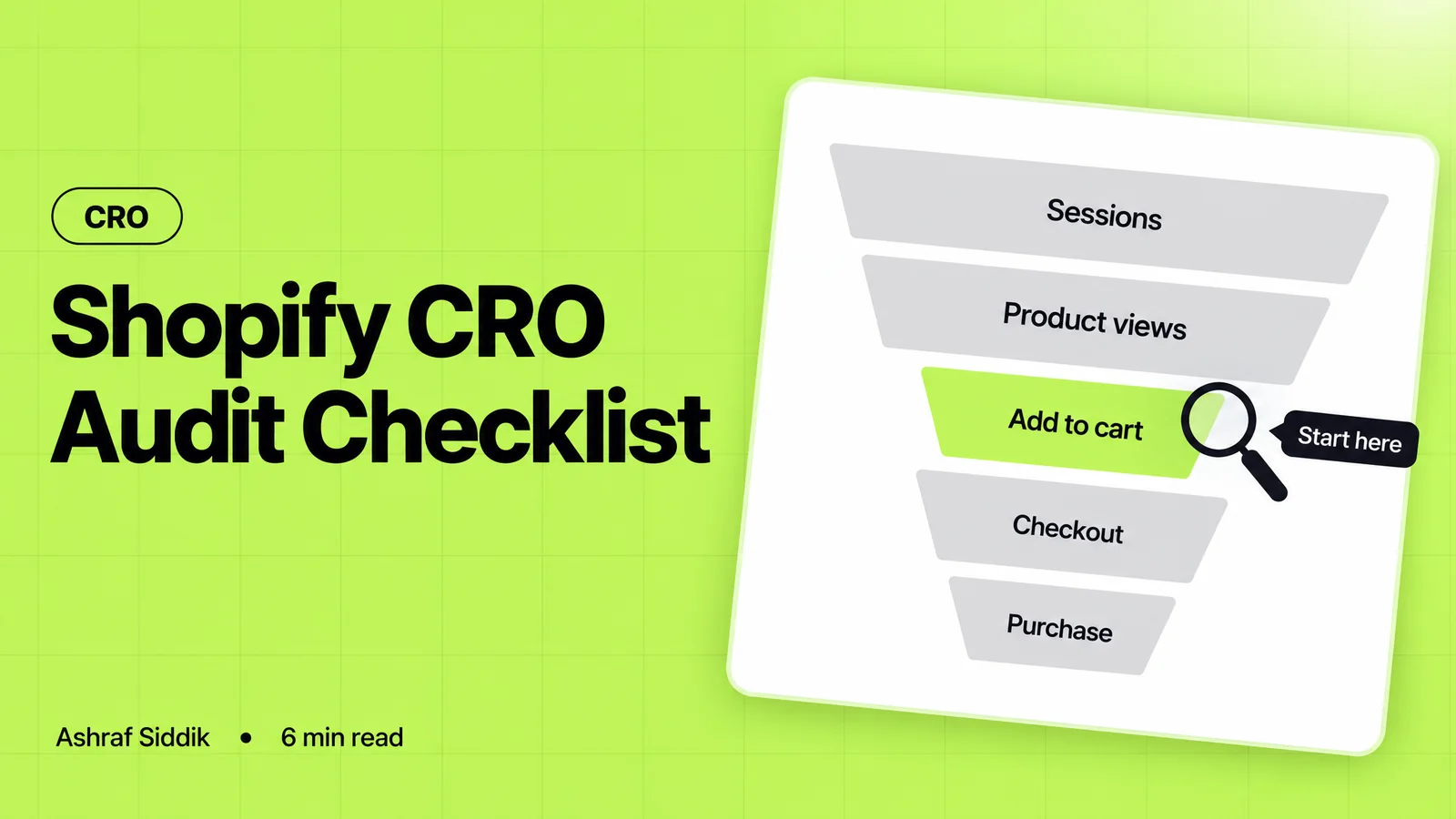
Shopify CRO Audit Checklist for DTC Brands
The checklist I use to audit DTC Shopify stores, from checking that the data can be trusted to deciding which fixes to ship first.
-
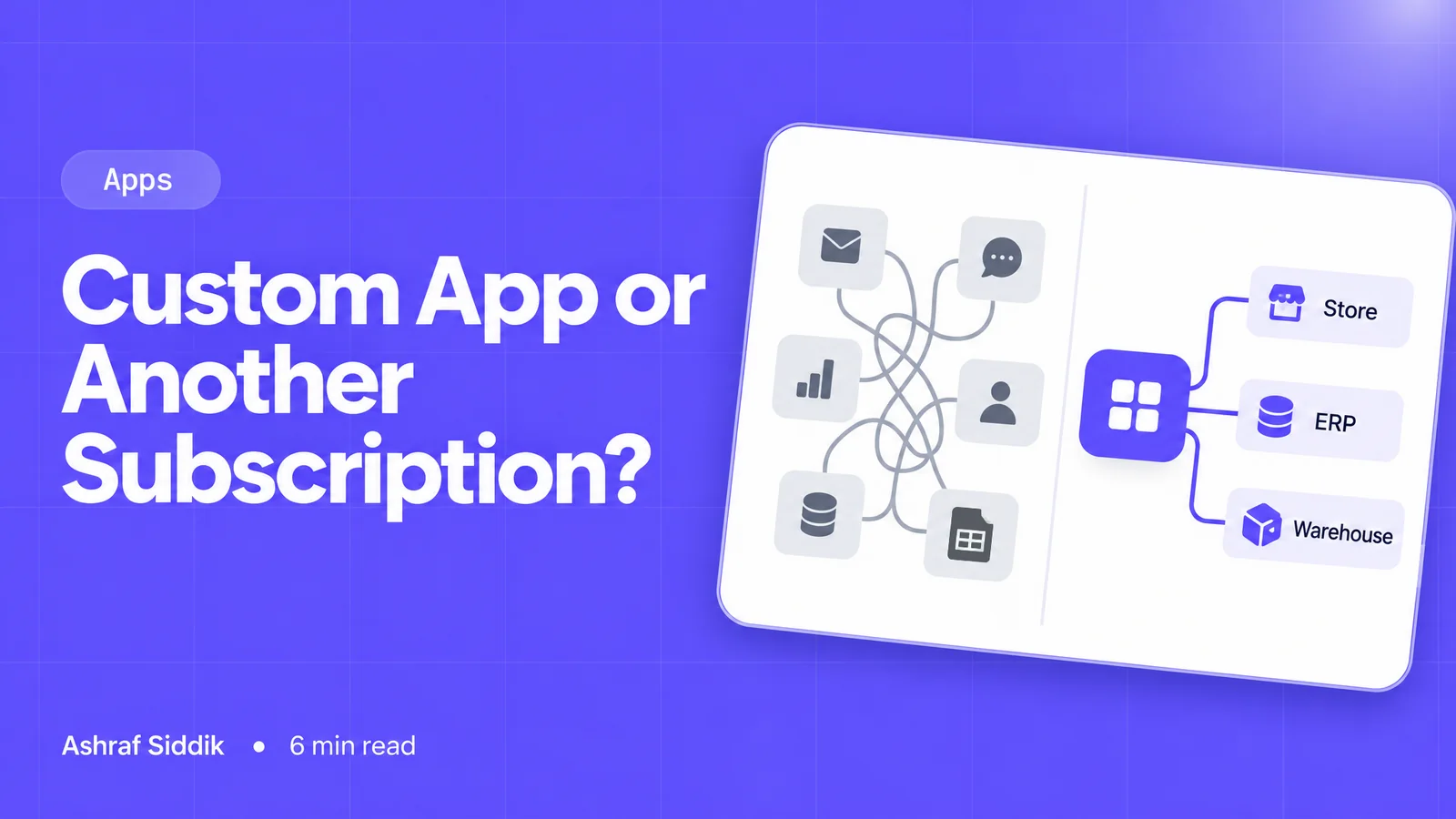
When to Build a Custom Shopify App Instead of Adding Another Subscription
Another subscription is the quickest fix, until you are paying for five apps that still don't match how your business works. Here is how to decide.
-
How to Find Out What Theme a Shopify Store Uses
Every Shopify store names its theme in the page code. Here is where to look, how to read what you find, and what it means for your own theme choice.
-
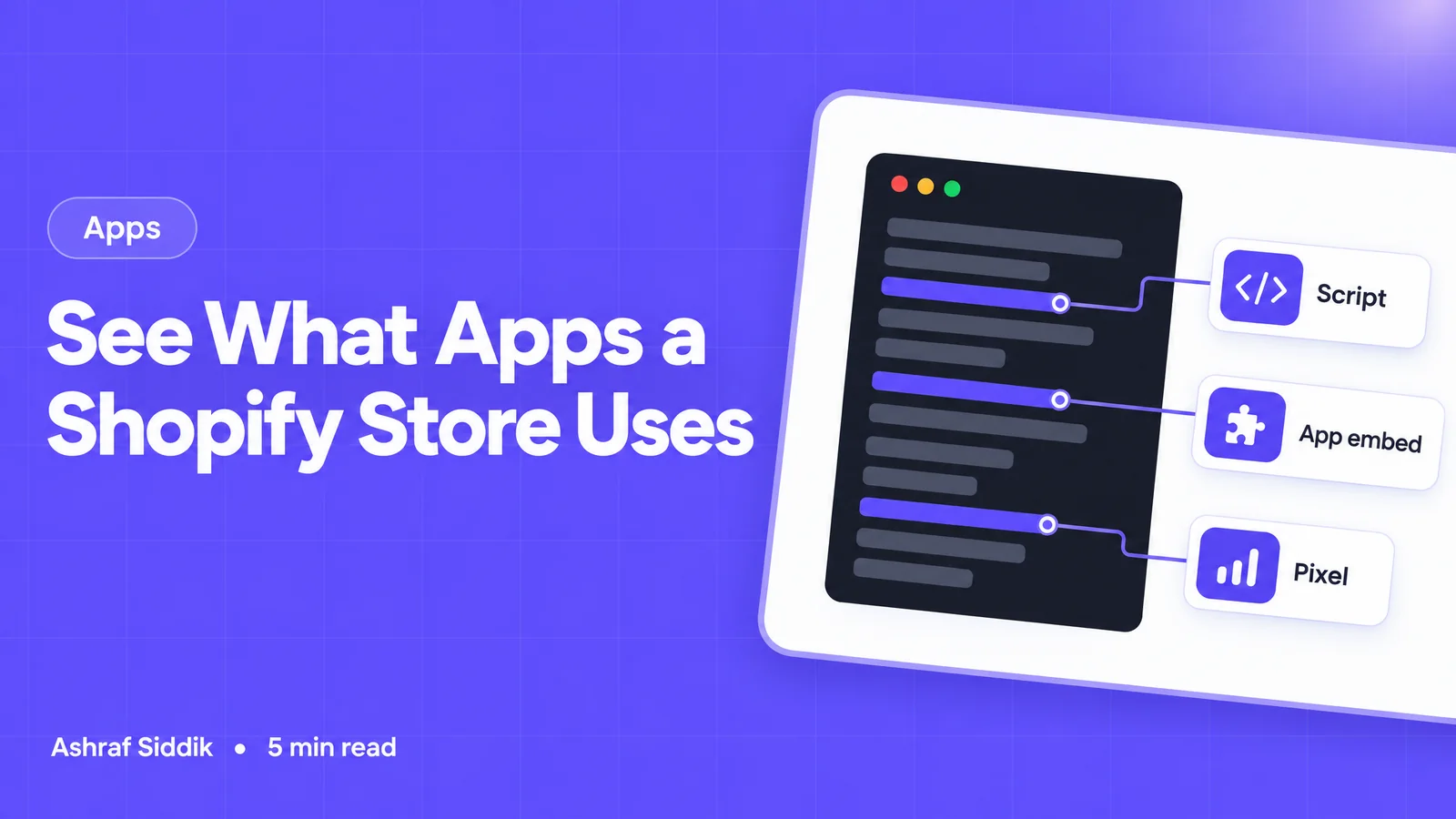
How to See What Apps a Shopify Store Uses
Apps leave traces in a store's page code: scripts from their own servers, app embed folders and pixel settings. Here is how to read them, and what to do with the list.
-
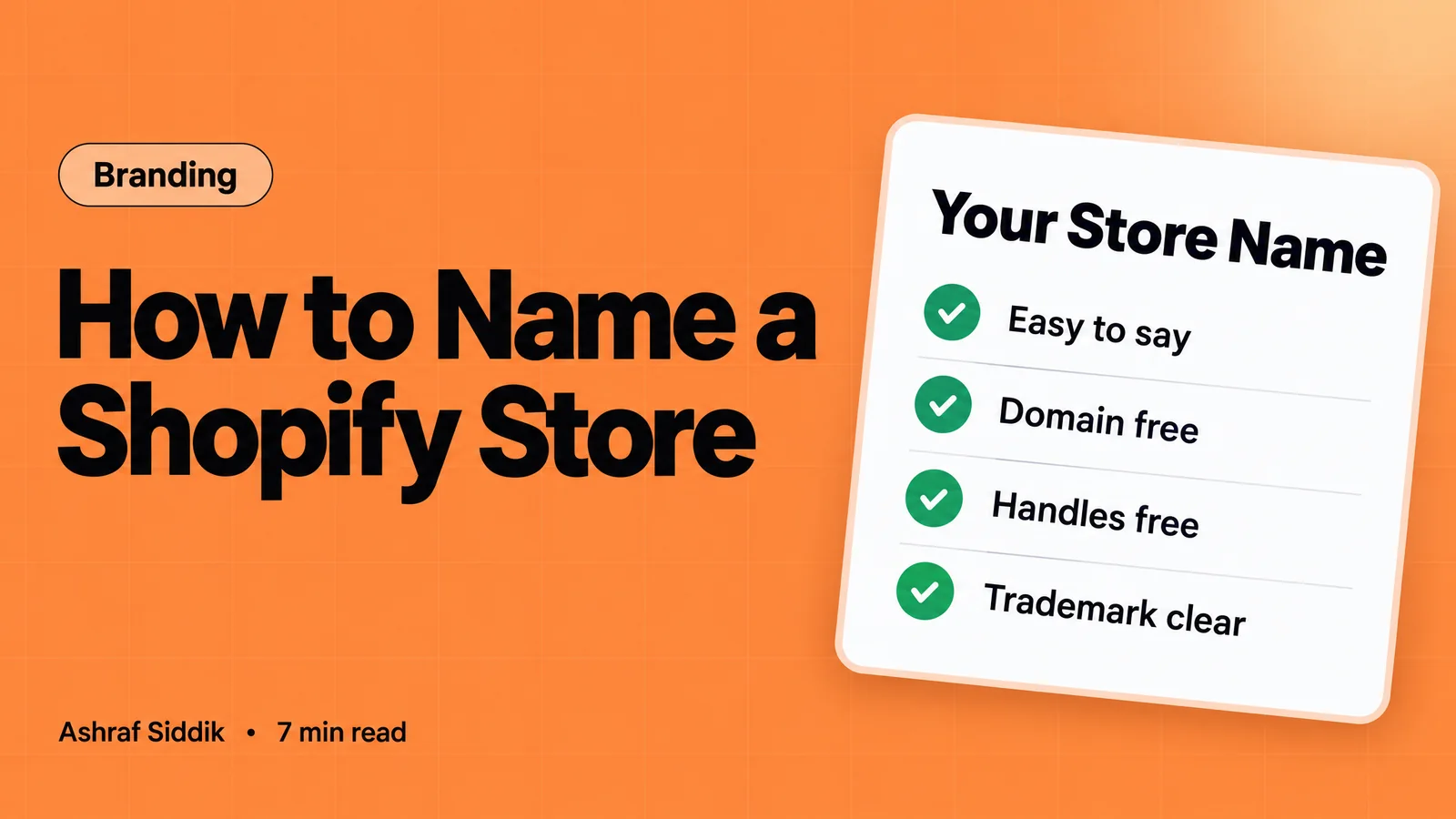
How to Name a Shopify Store (and Check the Name Is Free)
A store name has to be easy to say, free as a domain and a handle, and clear of other brands. Here is the process I use with clients, and what Shopify lets you change later.